
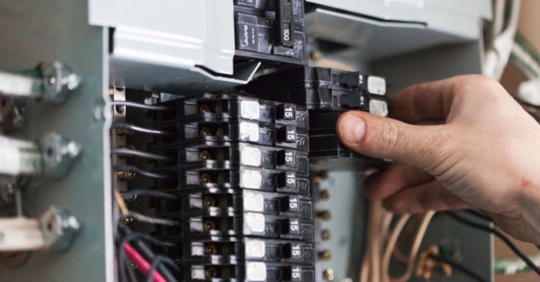
Electrical issues can be stressful, especially when a circuit breaker trips unexpectedly, cutting power to part of your home. While breakers are designed to protect your home and appliances, frequent trips often signal underlying issues that need attention. Understanding why breakers trip—and how to prevent it—helps keep your home safe, your appliances protected, and your day-to-day life uninterrupted. With the right knowledge and a proactive approach, homeowners in Detroit can ensure their electrical systems remain reliable and secure.
What Are Circuit Breakers and How Do They Work?
At the core of every home’s electrical system, the circuit breaker acts as a vigilant safeguard, monitoring the flow of electricity and shutting off power when it detects an unsafe condition. Breakers prevent overheating, protect appliances, and reduce the risk of electrical fires by “tripping” when the current exceeds safe limits. It’s important to remember that these devices are not malfunctions when they trip—they are performing their job, protecting your home, and alerting you to potential electrical problems.
For homeowners, understanding how a breaker functions provides a clear perspective on the importance of electrical safety. When a breaker trips repeatedly, it often indicates that something in the system needs attention—whether it’s an overloaded circuit, faulty wiring, or a problematic appliance. By recognizing this early, residents can avoid costly repairs, reduce downtime, and keep their homes safe.
Common Types of Circuit Breakers
Modern homes use several types of breakers, each designed to handle specific conditions and areas of a house:
- Standard Circuit Breakers: Protect general circuits from overloads and short circuits.
- Ground Fault Circuit Interrupters (GFCIs): Required in areas prone to moisture, like kitchens, bathrooms, and laundry rooms, to prevent electrical shocks.
- Arc Fault Circuit Interrupters (AFCIs): Detect dangerous electrical arcs that can ignite fires, especially in bedrooms and living areas.
Choosing the right breaker for each location is crucial for safety. Installing the appropriate protection ensures your home’s electrical system is both safe and efficient, reducing the likelihood of frequent interruptions.
Electrical Overload
One of the most frequent reasons breakers trip is electrical overload. This occurs when more electricity is drawn from a circuit than it can safely handle. Overloads often happen when multiple high-wattage devices—like space heaters, hair dryers, or air conditioners—are used simultaneously on the same circuit. The breaker detects the excess demand and shuts off power to prevent overheating or damage to wiring.
In many Detroit homes, older wiring or smaller panels can make circuits more susceptible to overloads. Managing the load across your home by spreading out appliance use, adding additional circuits, or upgrading the electrical panel can dramatically reduce the risk of trips while also improving overall energy efficiency.
Short Circuits
Short circuits are a more serious cause of breaker trips and occur when electricity flows along an unintended path, often due to damaged wiring or faulty appliances. This sudden surge creates excessive heat, which can be dangerous and may even lead to fires if not addressed promptly.
Homeowners should be alert for signs of short circuits, such as burning smells, scorch marks on outlets, flickering lights, or a sudden loss of power in part of the home. Kitchens, laundry rooms, and garages are common locations for short circuits because moisture, wear, and heavy appliance use can compromise electrical components. Addressing these hazards quickly with professional assistance is essential to maintaining a safe home environment.
Ground Faults and Other Issues
Ground faults occur when electrical current escapes its intended pathway and flows directly to the ground, often through water or exposed wiring. This is particularly dangerous because it can lead to electrical shock or serious injury. Devices like GFCIs are specifically designed to interrupt power immediately in these situations.
Other factors that can cause breaker trips include outdated wiring, sensitive breaker mechanisms, or defective appliances. Homes with frequent breaker trips may benefit from electrical system upgrades to replace aging wiring and improve overall reliability. Addressing these issues not only reduces nuisance trips but also ensures the home is prepared for modern electrical demands.
Initial Steps
When a breaker trips, knowing how to respond safely is critical. First, locate your electrical panel, typically in a basement, garage, or utility room. Always ensure the area is dry and that you are wearing proper footwear to minimize the risk of shock. Identify the tripped breaker—it will usually be in the middle position between “on” and “off.” To reset, switch it fully to the “off” position, then back to “on.”
Avoid forcing a breaker that refuses to stay on, as this could indicate a persistent problem in the wiring or a faulty appliance. After resetting, monitor the circuit for repeated trips. If the issue persists, further investigation or professional help is necessary.
Tools and Troubleshooting Techniques
For a more in-depth diagnosis, essential tools include:
- Multimeter: Measures voltage, current, and resistance to identify issues in circuits.
- Voltage Tester: Verifies power in outlets and fixtures.
A systematic approach involves unplugging all devices on the affected circuit, resetting the breaker, and reconnecting devices one at a time. If the breaker trips immediately, the issue may be within the wiring, requiring professional attention. This method allows homeowners to identify the root cause without unnecessary risk.
When to Call a Professional
While some minor issues can be resolved at home, certain signs indicate it’s time to contact a licensed electrician:
- Breakers trip repeatedly despite reducing the load
- Sparks, burning smells, or unusual sounds from outlets
- Visible damage to wires or connections
Professional electricians provide both immediate solutions and long-term preventative strategies, ensuring your home is safe and your electrical system remains reliable.
Regular Maintenance
Routine inspections and maintenance are essential for avoiding tripped breakers. Homeowners should:
- Check panels and breakers for corrosion or rust
- Clean and tighten connections
- Test GFCIs monthly and replace if faulty
- Monitor appliances and wiring for wear or damage
Proactive maintenance reduces unexpected interruptions and prolongs the lifespan of your electrical system.
Energy Efficiency and System Upgrades
Upgrading to energy-efficient appliances and LED lighting reduces the overall demand on your circuits. Smart home devices, such as programmable thermostats or energy management systems, further optimize electricity usage.
Electrical system upgrades, such as modern panels and breakers, provide better capacity management and allow for future technologies like EV chargers. These improvements enhance home safety, convenience, and property value while minimizing the risk of frequent breaker trips.
Safety Best Practices
- Keep electrical devices away from water
- Avoid overloading outlets
- Replace frayed cords or damaged plugs
- Familiarize yourself with your home’s breaker panel and main shut-off
During an emergency:
- Disconnect sensitive electronics during power surges
- Never attempt to handle sparking outlets or live wires yourself
- Contact a professional immediately for urgent issues
By staying proactive and informed, homeowners can ensure their homes remain safe and functional, even in the face of electrical challenges.
If You're Dealing With Tripped Circuit Breakers, Call Consumer Services Electric
Consumer Services Electric is dedicated to helping Detroit-area homeowners maintain safe, reliable, and efficient electrical systems. From minor circuit breaker repairs to complete panel upgrades, our licensed electricians provide expert service and peace of mind. Contact us today to learn how we can support your home’s electrical needs.
Call Consumer Services Electric now at (313) 631-4905 or send us a message online.